Busana: Traditional Costumes of the Malay World
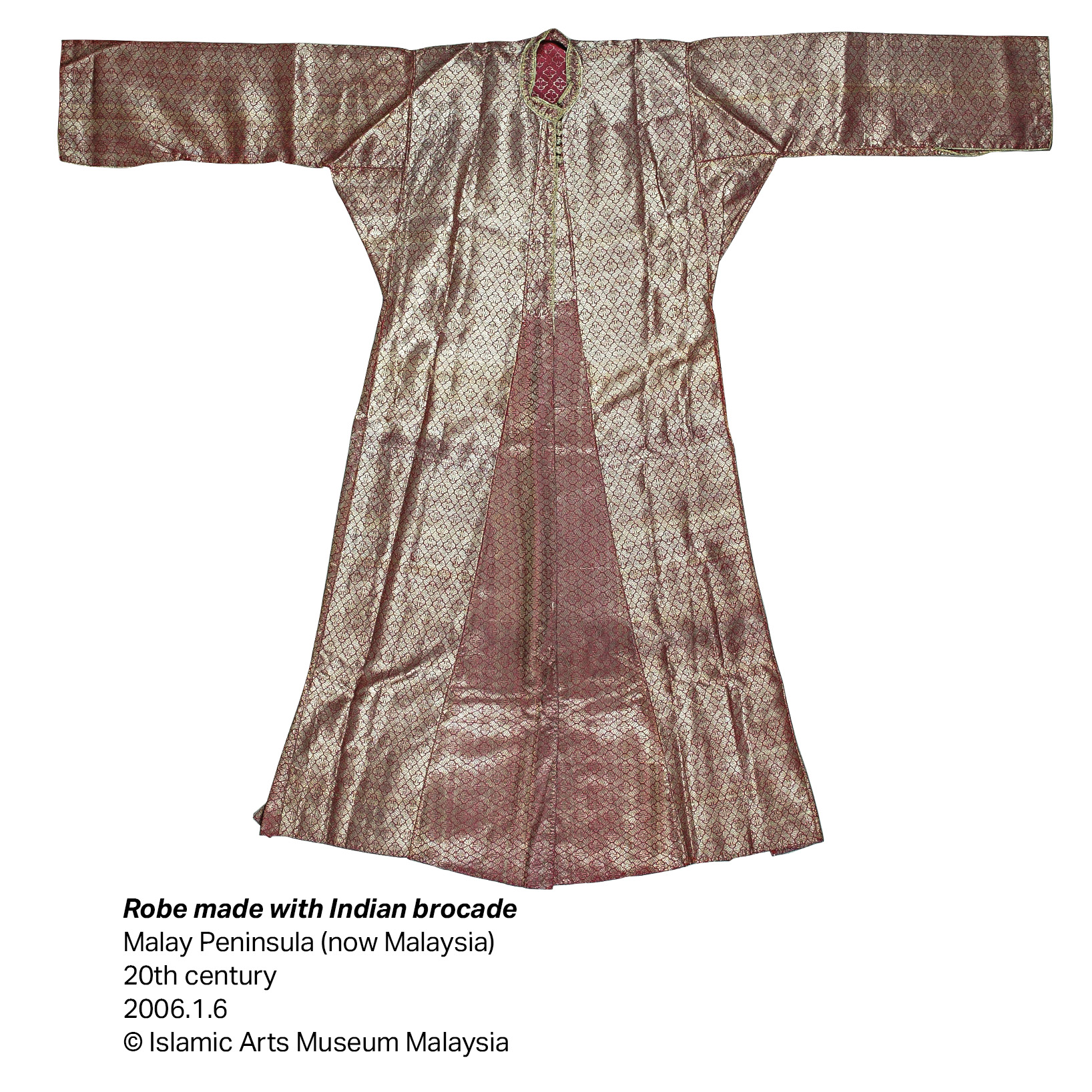
Islamic Arts Museum Malaysia (IAMM) held the special exhibition, “Busana: Traditional Costumes of the Malay World”, which from 12 December 2025 to 12 April 2026 in Special Gallery 1. It is part of the museum’s ongoing commitment to preserving the heritage of the Malay world — a historical realm with shared cultural traditions spanning present-day Malaysia, Indonesia, Singapore, Brunei, southern Thailand and the Philippines. This landmark showcase brought together the museum’s celebrated textile-based collection in an immersive exhibition that explores the diversity, refinement and cultural depth of traditional Malay attire. Combining artefacts with archival photographs, the exhibition sheds light on the historical dimensions of one of the most significant aspects of the Malay world: its distinguished and glorified textile and costume traditions.
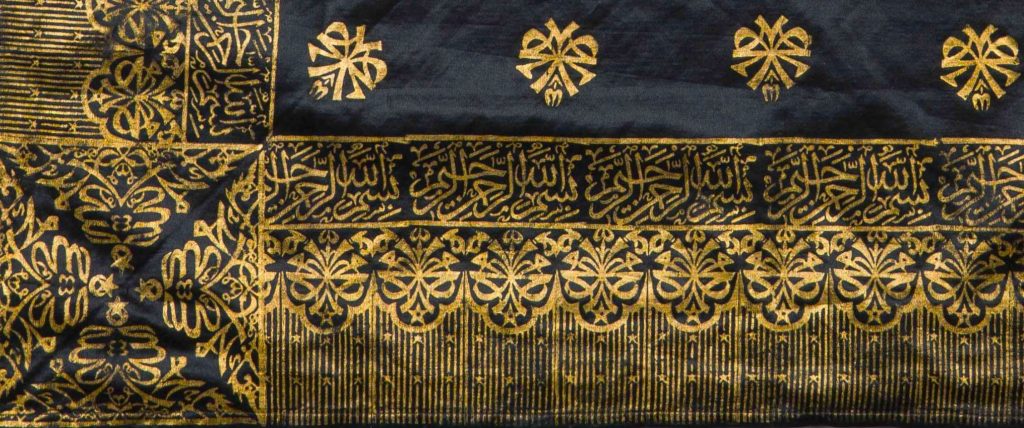
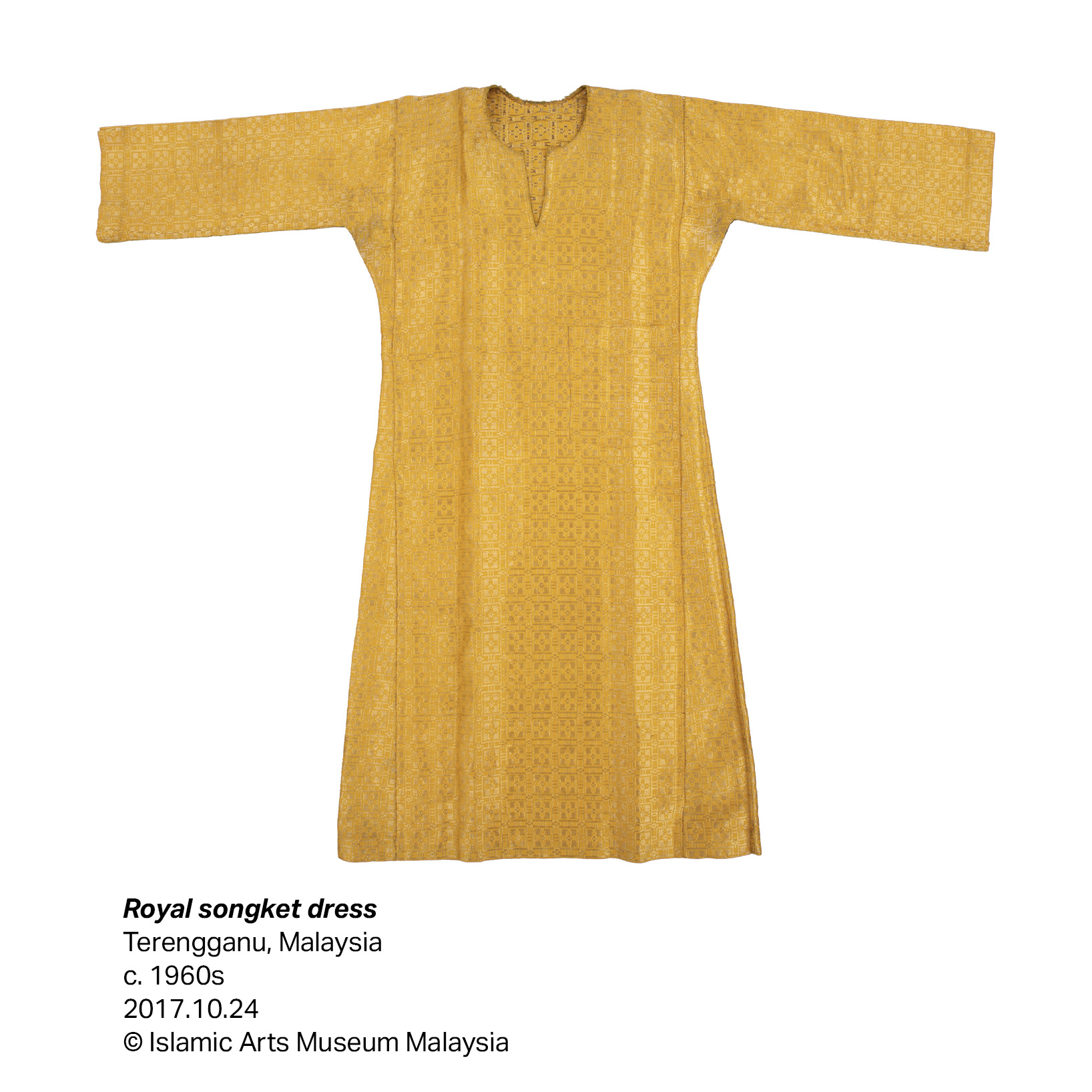
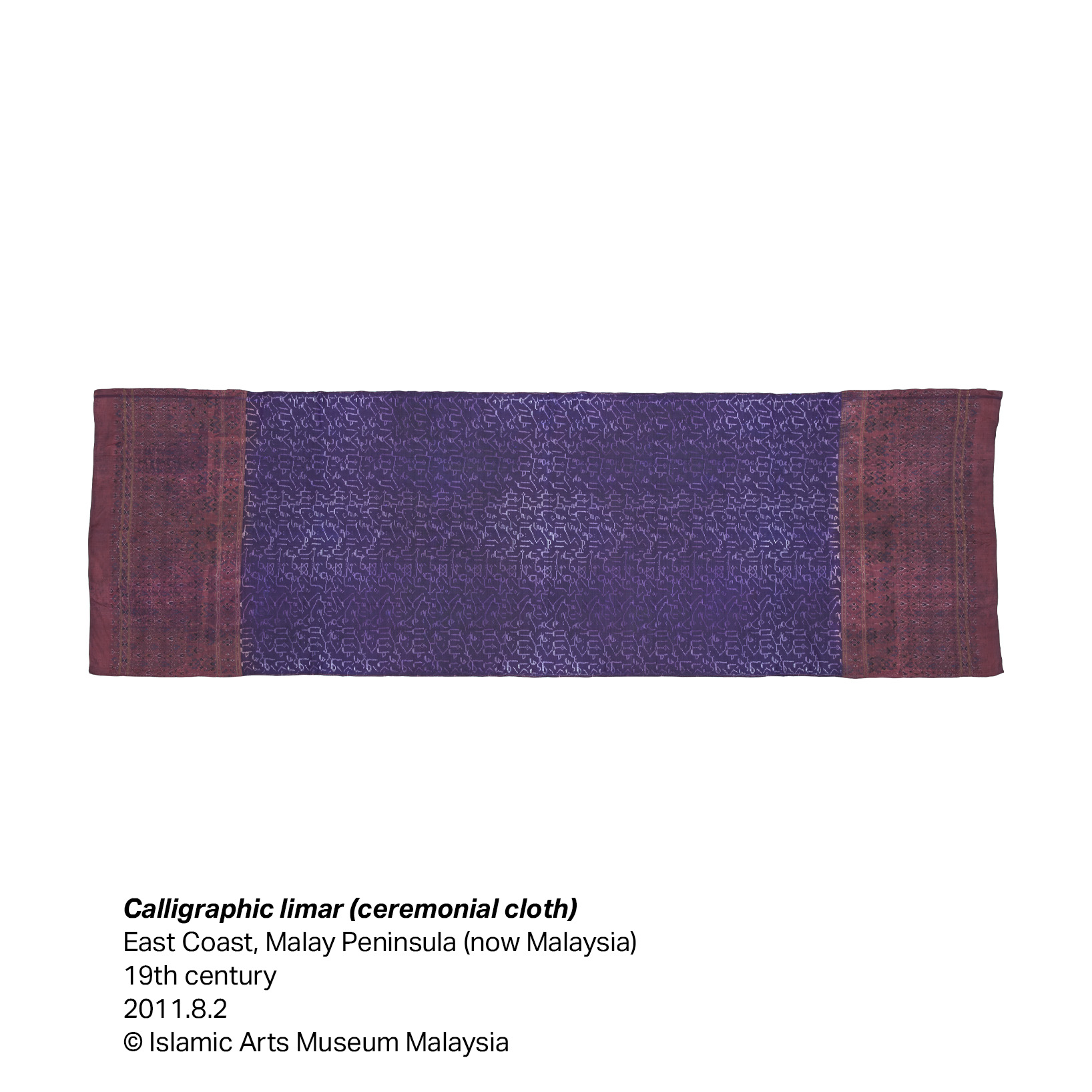
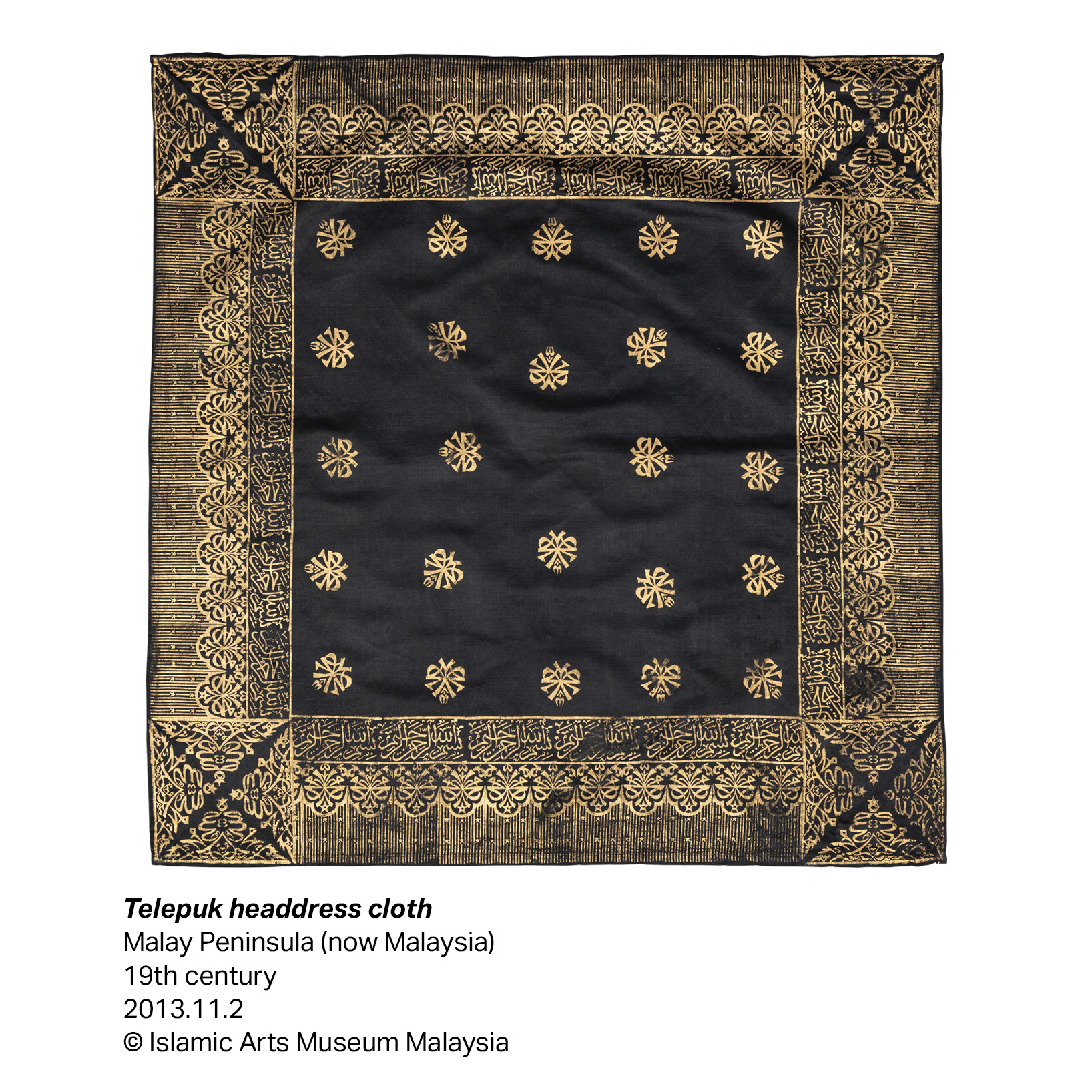
Highlighting the artistry behind busana, a term referring to the traditional attire of the Malay world, the exhibition was curated around the distinctive textile techniques that define Malay sophistication. From shimmering songket to rare ikat limar, the intricately dyed batik, fine tenun weaves and the noble floral embellishment of telepuk, the exhibition examines how these practices have shaped and influenced the taste, identity and artistry of the Malay world.
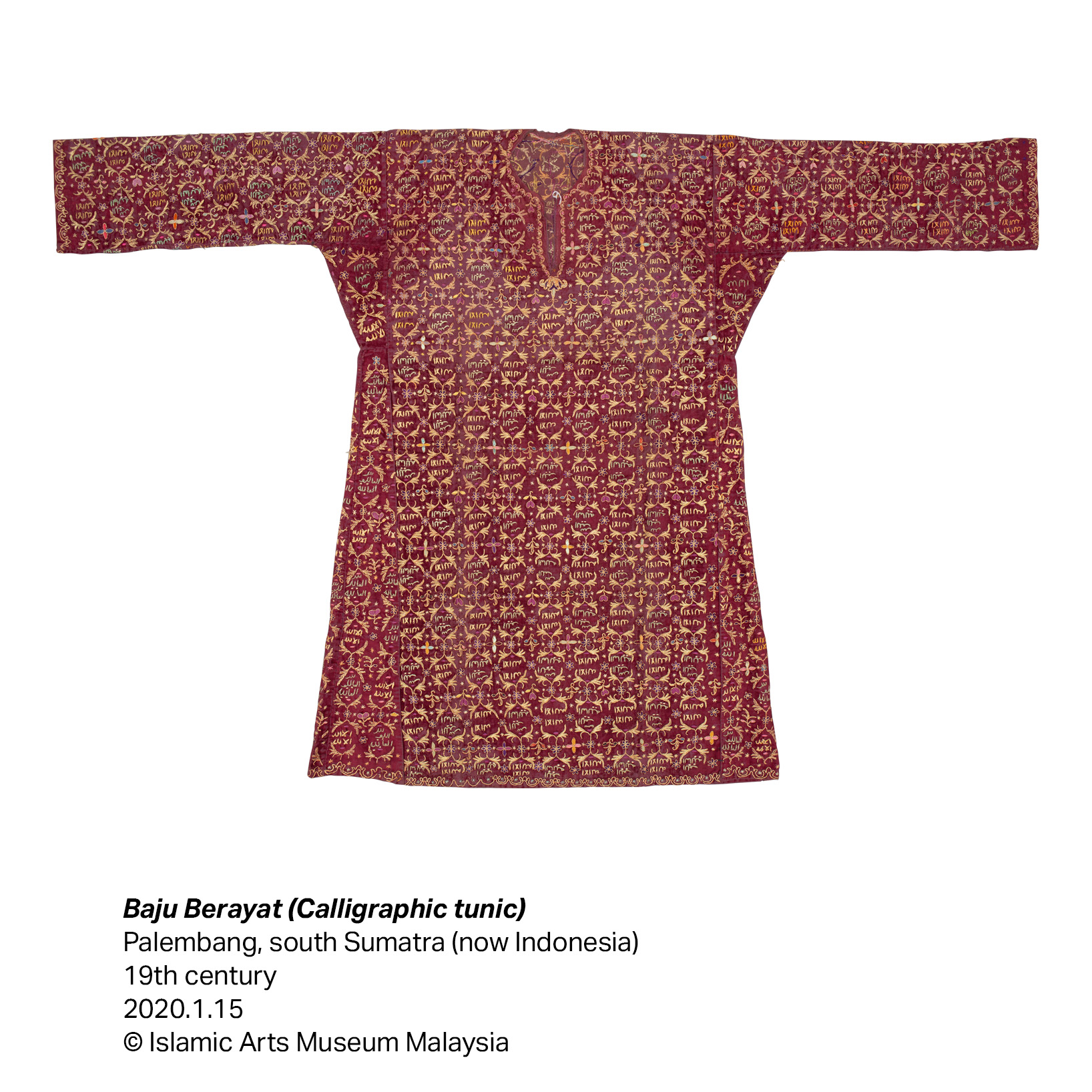
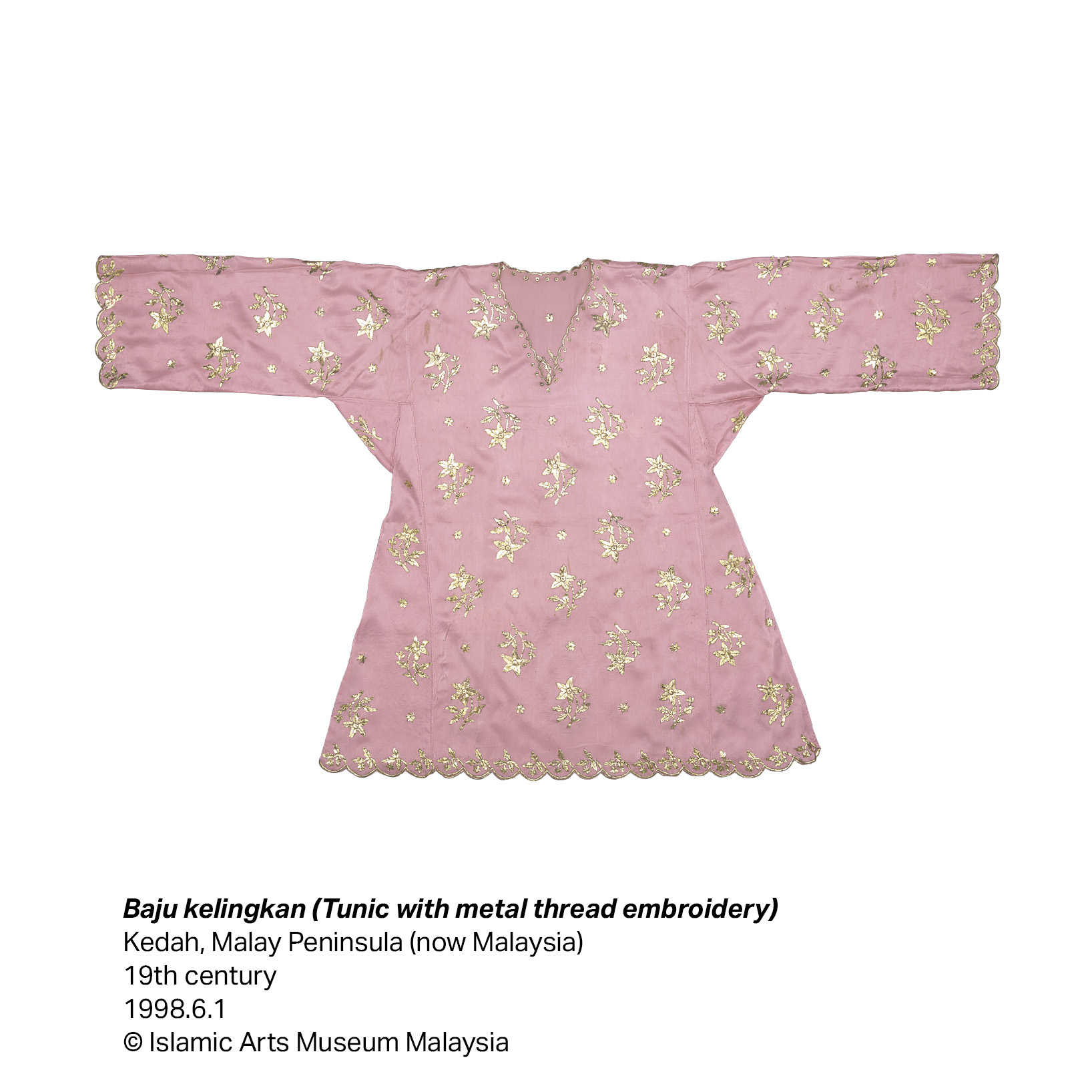
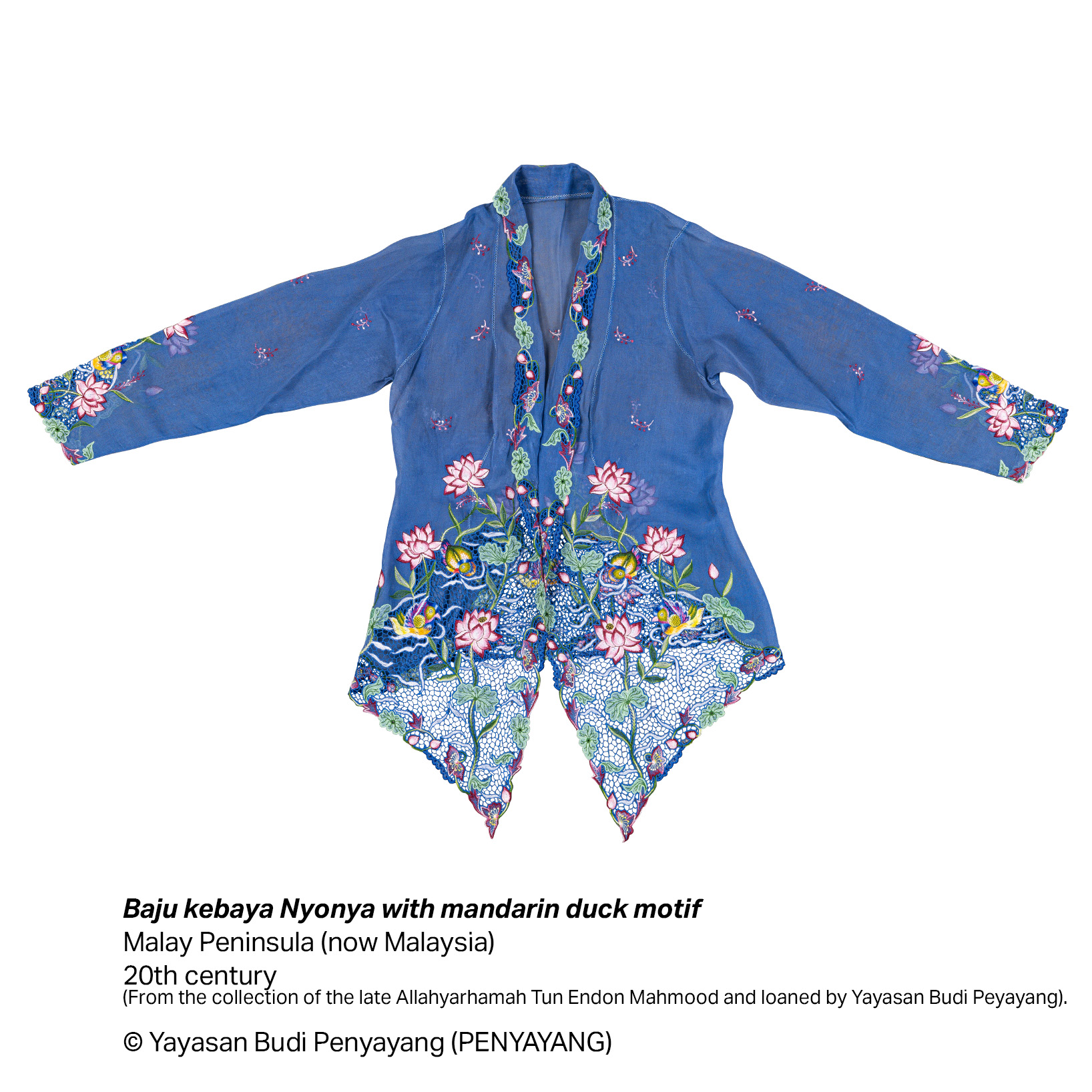
The exhibition also features exquisite examples of Malay embroidery, including the gilded tekat emas (raised gold couching) and the metallic-threaded kelingkan, both of which have long been used to enhance ceremonial garments and accessories. Visitors will be able to feast their eyes on complete busana ensembles — such as baju kurung, baju kebaya, baju sikap and baju kurung teluk belanga — all presented alongside complementary elements like the selendang (shawl), samping (waistcloth) and destar (male headdress). These components are more than clothing; they form a complex and eloquent visual language of status, identity, ceremony and spiritual values.
Among the highlights was the exquisite collection of Kebaya Nyonya, a Peranakan variation adapted from Malay culture and characterised by intricate embroidery that reflects a blend of Chinese and Malay influences. On display were magnificent examples from the distinguished collection of the late Allahyarhamah Tun Endon Mahmood, wife of Malaysia’s fifth prime minister. These have been graciously loaned by Yayasan Budi Penyayang and are held under the custodianship of IAMM.
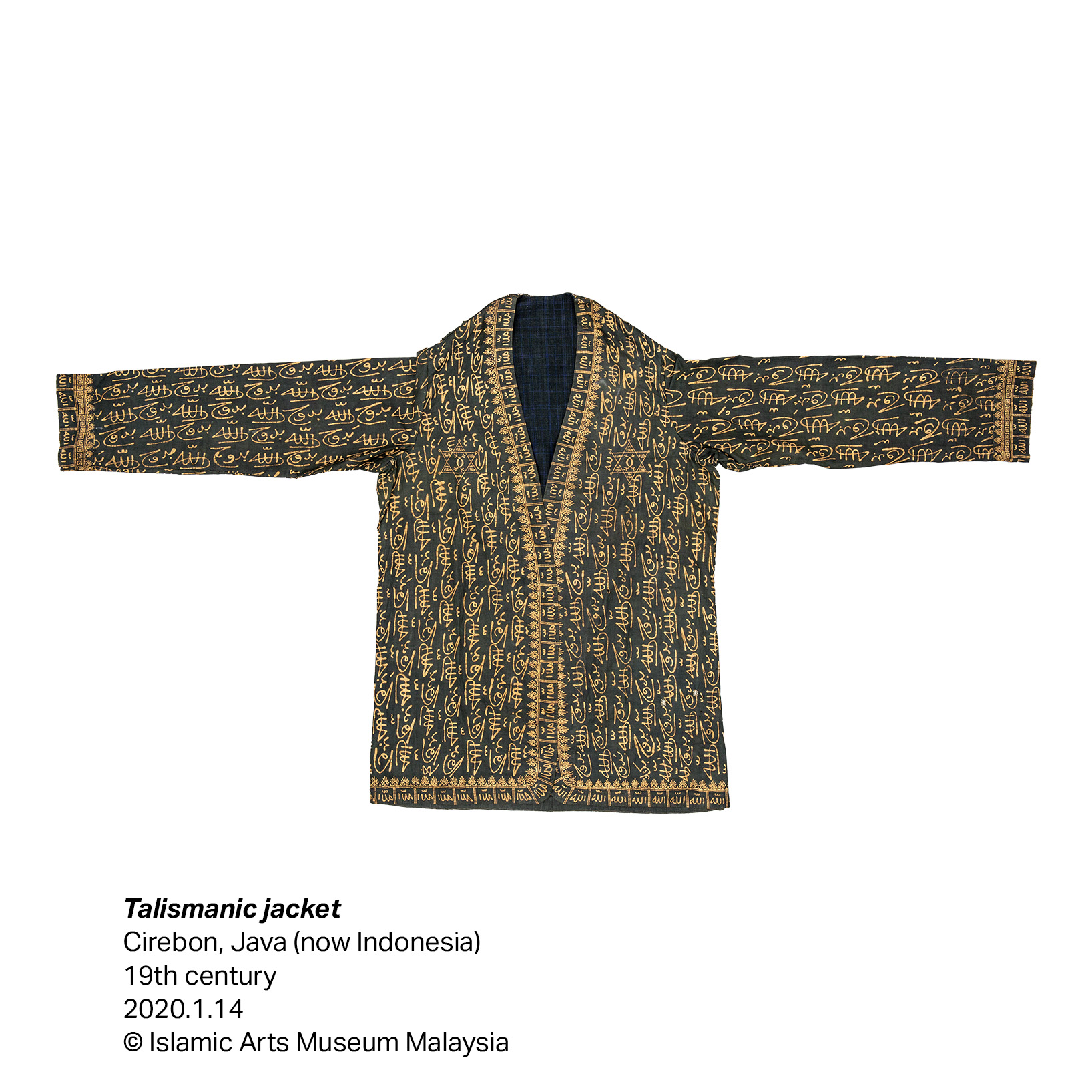
A special section of the exhibition was focused on the Islamic elements found in Malay textile traditions, including the charismatic headdresses and adornments. The array of displays allowed the visitor to trace the evolution of abstracted motifs, calligraphy and geometric symmetry that reflect a broader Islamic worldview grounded in harmony and divine order. Visitors gained insights into how local artistry interacted with global currents, influencing and being influenced by other cultures and by Islamic artistic traditions.
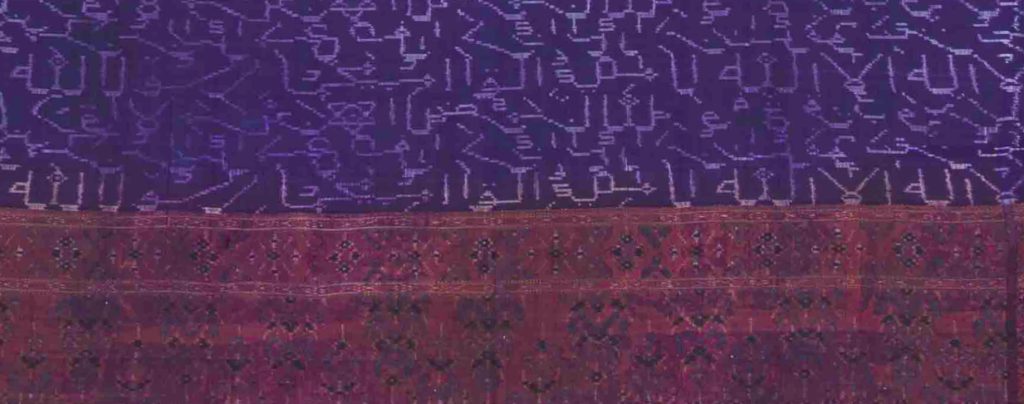
“Busana: Traditional Costumes of the Malay World” was held in tandem with Visit Malaysia Year 2026 for both local and international audiences to rediscover the timeless sophistication and cultural richness of Malay heritage. It was also a heartfelt dedication to three prominent figures for their patronage, unwavering commitment and preservation of the Malay textile heritage: the late Almarhumah Tun Endon Mahmood, Almarhumah Azah Aziz, and Almarhumah Raja Fuziah Raja Tun Uda, as well as others who have recently passed away, whose contributions were instrumental to the Islamic Arts Museum Malaysia’s journey across the Malay world.
exhibition Highlights